
Why Operational Data Is Your Secret Weapon Against Bottlenecks
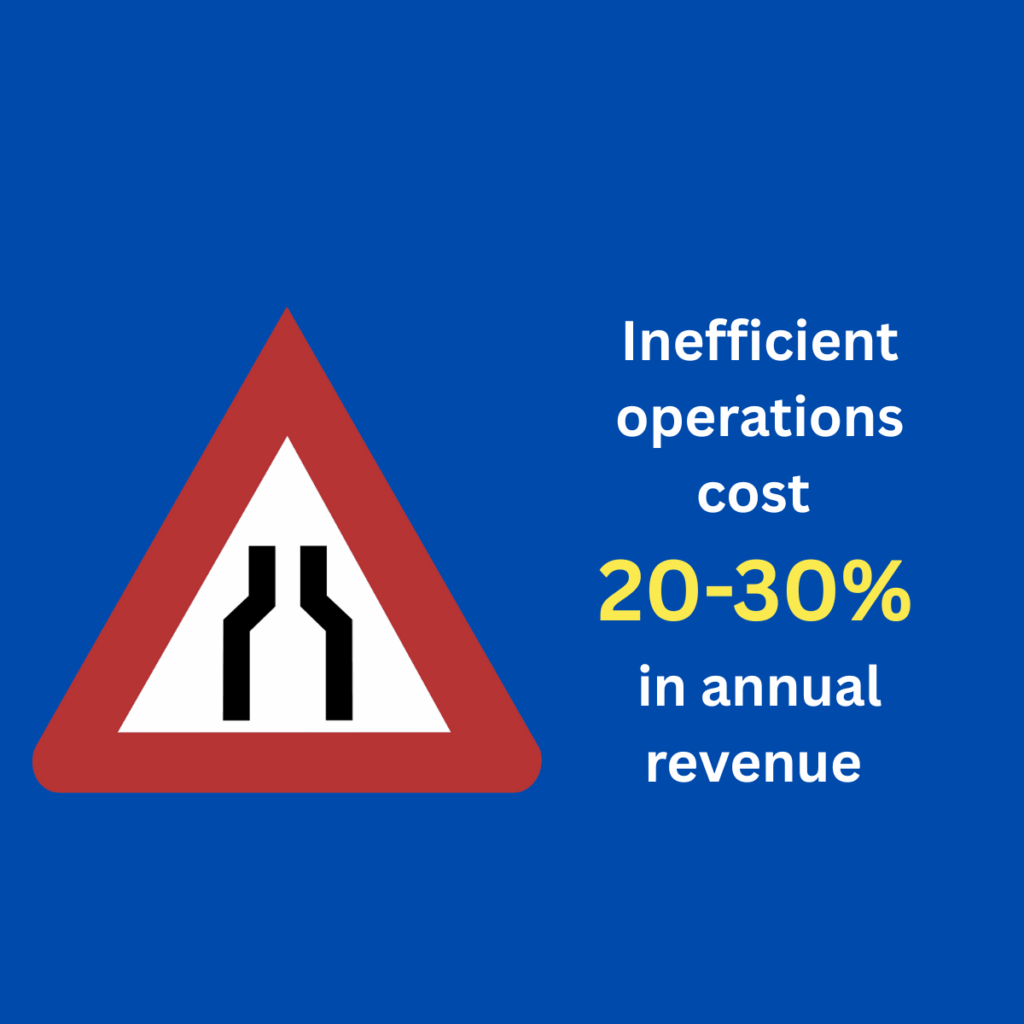
Operational data offers growth opportunities! For small and medium-sized businesses where every decision matters and resources are precious, operational bottlenecks can be silent growth killers. Inefficiencies in business operations cost up to 20-30% in revenue annually and when profit margins are already tight, this figure can severely strain your finances. The good news? The data to solve these problems is already flowing through your business—you just need to know how to harness it.
Operational bottlenecks are the slowest or most restrictive parts of your business processes that hinder productivity and negatively impact your bottom line. These might appear as delayed approvals, communication breakdowns between departments, or resource allocation issues that create workflow disruptions. For growing companies where founders and CTOs are juggling multiple responsibilities, these inefficiencies often remain hidden until they become critical problems.
The Hidden Cost of Data-Poor Decision Making
Many small businesses operate with what industry experts call “superficial data-based answers”. Founders make decisions quickly with incomplete information because there simply isn’t time to dive deep into the data. Less than a quarter of companies describe themselves as data-driven, leaving massive opportunities on the table.
Consider this: when you’re managing growth, handling customer relationships, and overseeing operations simultaneously, bottlenecks often emerge in predictable patterns. Data silos across multiple systems prevent team members from seeing what’s happening in other departments, breaking down communication and preventing collaboration. Meanwhile, manual processes consume valuable time and create inconsistencies that compound operational challenges.
How Clean, Organized Data Reveals Hidden Bottlenecks
The transformation begins with understanding that data standardization is the process of converting data from various sources into a consistent format. When your customer information, sales records, and operational metrics follow uniform structures, patterns become visible that were previously obscured by inconsistency. Are you using operational data to capture growth opportunities?
Data-driven processes streamline operations by identifying inefficiencies, bottlenecks, and areas for improvement. For example, analyzing workflow data can reveal that 80% of project delays stem from a single approval step, or that customer service tickets spike at specific times due to predictable operational issues.
Clean data significantly contributes to organizational productivity and cost efficiency, enhancing business operations and promoting strategic growth. When you eliminate duplicate records, standardize formats, and ensure data accuracy, you create a foundation for insights that can guide immediate operational improvements.
Next week we look at practical aspects of using operational data to harness growth opportunities in your business. How do you identify bottlenecks and how do you improve the speed of data-based decision making.